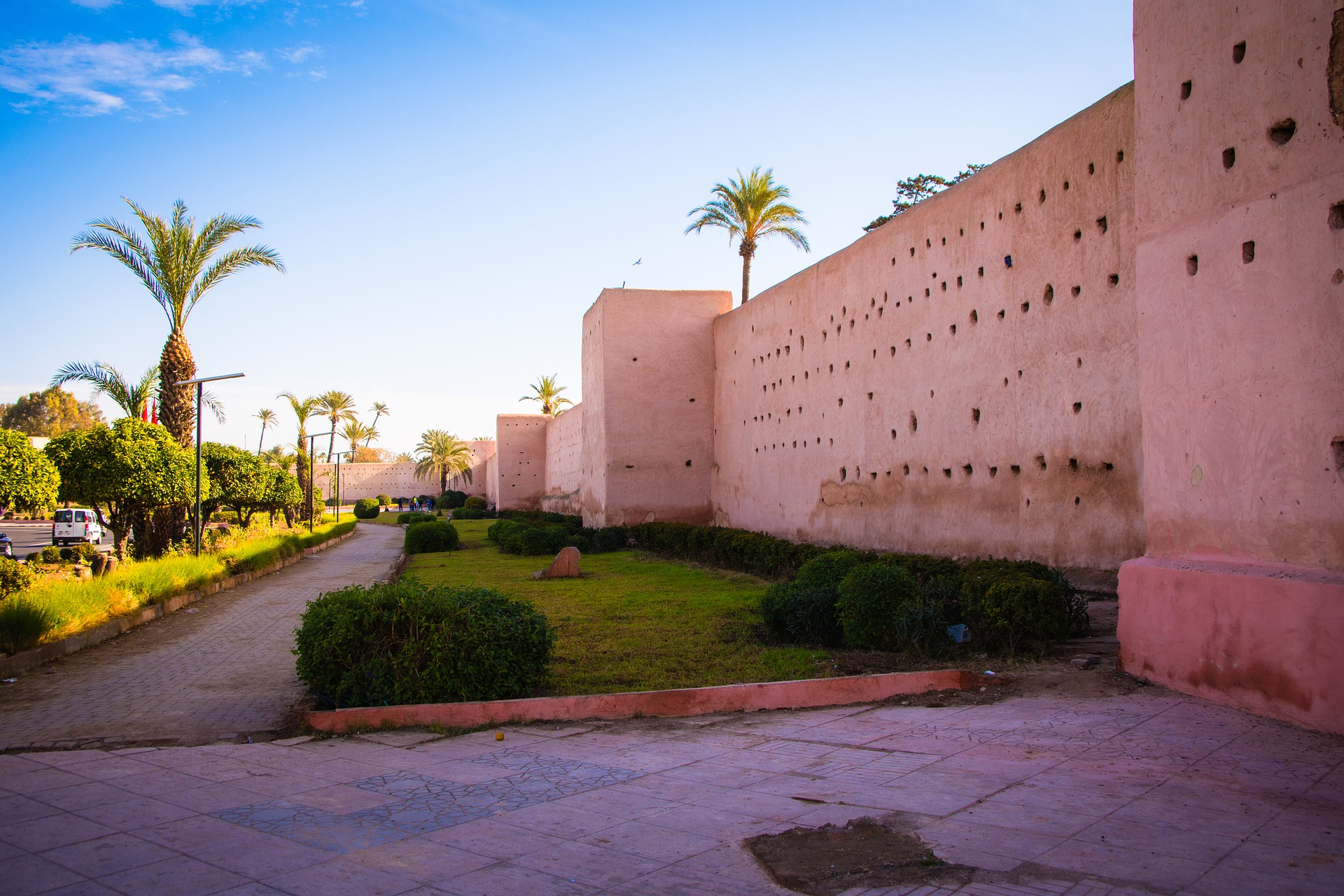
No place is quite like Morocco. Nestled between Europe and Africa, the North African nation boasts a heady combination of imperial cities, vast sand dunes of the Sahara desert, dramatic snow-covered mountains, and windblown coast of the Atlantic Ocean.
Regardless of whether you are exploring the labyrinthine streets of the old city of Fez, relaxing under the mint green sky of your riad roof terrace, or enjoying the morning glow of the Merzouga sand dunes, traveling to Morocco means diving into a whole new world. And because of the diversity of both geography and culture of this country, the art of planning for a trip to Morocco becomes the art of making it memorable.
In this comprehensive guide, we break down everything you need to know about Morocco travel—from choosing the right regions and routes to budgeting and getting around seamlessly.
Why Visit Morocco?
People travel to Morocco because of the stark difference between experiences in one nation alone. It is possible within a matter of weeks to bargain for hand-woven Berber rugs in a crowded souk, trek through the cedar forests where one is surrounded by Barbary macaques, and spend the night sleeping under the starry sky at a luxurious desert camp.
But apart from the stunning landscapes, it is the warmth of Moroccan hospitality that impresses the most. Dining with a local family on a deliciously simmered tagine or conversing with your driver during the long mountain drives makes your trips in Morocco into a unique cultural experience. Combine that with the world-famous cuisine, architectural splendor and all-year sunshine in the south, and you will understand why Morocco stays one of the best destinations on Earth.
Best Regions to Explore in Morocco
To build a balanced Morocco trip itinerary, it helps to divide the country into its distinct geographic and cultural zones:
- The Imperial Cities (Marrakech, Fes, Rabat, and Meknes): Marrakech is the vibrant, energetic gateway to the south, famous for Jemaa el-Fnaa square and lush gardens. Fes, by contrast, is the spiritual and intellectual heart of the country, home to the world’s oldest continuously operating university and the largest car-free urban medina on earth.
- The Sahara Desert (Merzouga & Zagora): No visit is complete without experiencing the Sahara. Merzouga (Erg Chebbi) is famous for its towering, rust-orange dunes reaching up to 150 meters high, while Zagora and Erg Chigaga offer a wilder, more off-the-beaten-path desert experience closer to Marrakech.
- The High Atlas Mountains: Separating the coast from the desert, the Atlas Mountains are dotted with terraced valleys, traditional mud-brick Amazigh (Berber) villages, and dramatic passes like Tizi n’Tichka.
- The Atlantic Coast (Essaouira, Agadir & Taghazout): If you need a break from the bustling medinas, head west. Essaouira charms visitors with its blue-and-white fortified walls, fresh seafood, and laid-back artistic vibe, while Taghazout is a world-famous surf haven.
- The Rif Mountains & The North (Chefchaouen & Tangier): Known globally as the “Blue Pearl,” Chefchaouen is nestled in the Rif Mountains and famous for its calming blue-washed streets. Nearby Tangier offers a fascinating blend of European and Moroccan influences overlooking the Strait of Gibraltar.
Ideal Trip Length: How Many Days Do You Need?
Morocco looks compact on a map, but winding mountain roads and vast desert stretches mean travel takes longer than you might expect.
- 5 to 7 Days: Ideal for a focused regional experience. You can comfortably combine Marrakech, the High Atlas Mountains, and a 3-day excursion to the Merzouga Sahara Desert—or stick to the northern loop of Tangier, Chefchaouen, and Fes. (Check out our detailed [7-Day Morocco Itinerary] for a day-by-day breakdown).
- 10 to 12 Days: The sweet spot for first-time visitors. Ten days allows you to travel through Morocco at a comfortable pace, linking the Imperial Cities, Chefchaouen, the Sahara Desert, and the Atlas Mountains without feeling rushed. (Explore our [10-Day Morocco Itinerary] for inspiration).
- 14+ Days: Perfect for slow travelers who want to add coastal relaxation in Essaouira, explore the Anti-Atlas region, or venture deep into the remote dunes of Erg Chigaga.
Transport: How to Travel Through Morocco
Choosing the right mode of transport will shape your entire Morocco travel itinerary:
- Private Driver & 4×4 / Minivan: For travelers heading into the Atlas Mountains and the Sahara Desert, hiring a private English-speaking driver is the most comfortable, flexible, and stress-free option. You can stop whenever you want for photos, visit hidden kasbahs, and avoid navigating unfamiliar mountain roads.
- Trains (ONCF): Morocco has the best rail network in Africa, including the high-speed Al Boraq train connecting Tangier, Rabat, and Casablanca. Trains are clean, punctual, and ideal for city-to-city travel in the north and west—though they do not reach the Sahara or Chefchaouen.
- Intercity Buses (CTM & Supratours): Reliable, air-conditioned, and budget-friendly, these two companies connect cities that trains don’t reach, including Essaouira, Chefchaouen, and Merzouga.
- Self-Driving: Possible along major highways, though driving inside busy city medinas is not recommended and mountain passes require confident driving skills.
Budget: How Much Does a Morocco Trip Cost?
Morocco caters to every travel style, from backpackers to ultra-luxury seekers. Below is a realistic daily estimate per person (excluding international flights):
- Budget Travel ($40 – $70 / day): Staying in hostels or simple guesthouses, eating street food and local cafés, and traveling via public buses and second-class trains.
- Mid-Range & Private Comfort ($120 – $220 / day): Staying in charming boutique riads, dining at quality restaurants, and booking private guided day trips or shared desert excursions.
- Luxury & Bespoke Travel ($350+ / day): Staying in five-star palace hotels and luxury desert camps with private en-suite tents, traveling with a dedicated private driver and vehicle, and enjoying curated private guides in every city.
Comment (0)